Agenda Font: Modern Handwritten Typography for Web Design
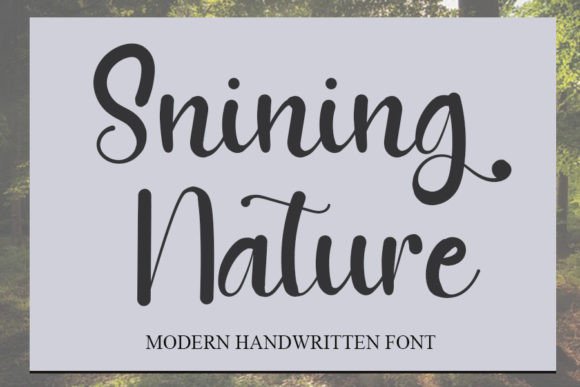
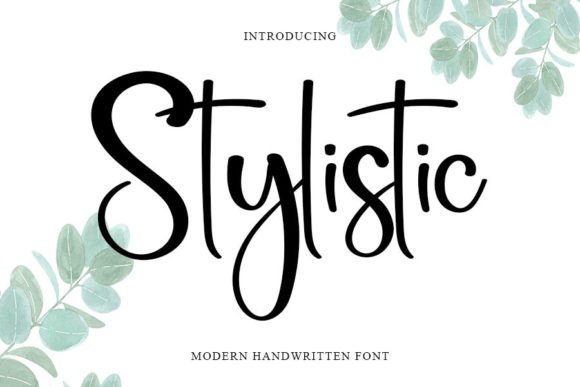
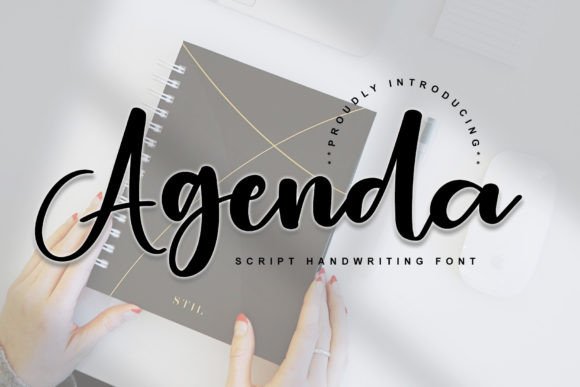
As a web designer, I'm always on the lookout for fonts that strike the perfect balance between style and functionality. Agenda, a stylish handwritten font with a contemporary atmosphere and impeccable form, is one such typeface that stands out in the world of modern typography. Inspired by timeless classic calligraphy, Agenda brings a sense of elegance and warmth to digital interfaces while maintaining the clarity needed for effective communication.
Elegance Meets Readability
Handwritten fonts often face a challenge when it comes to readability—especially at smaller sizes or on mobile screens. But Agenda was crafted with this in mind. Its characters are balanced and varied, avoiding the overly ornate flourishes that can muddy legibility. Instead, each stroke feels intentional, creating a harmonious flow that makes it easy for users to read without sacrificing its artistic charm.
Perfect for Hero Sections and Brand Statements
Agenda excels as a display font. It's ideal for hero sections, landing page headlines, and brand statements where you want to make a strong visual impression. The font’s personality gives your site a touch of creativity and authenticity, especially useful for creative portfolios, boutique online stores, or coaching websites aiming to convey approachability and professionalism.
Creating Visual Hierarchy with Purpose
Visual hierarchy is crucial in guiding user attention across a webpage. With Agenda, you can use its expressive yet clean lines to highlight key messages—like calls-to-action or product titles—while using more neutral typefaces for body text. This contrast helps establish a clear layout rhythm, ensuring users can scan content efficiently without being overwhelmed by decorative elements.
Brand Tone and Trust Through Typography
In the digital space, your brand’s tone is communicated through many subtle cues—and typography is one of the most powerful. Agenda adds a human touch to otherwise sterile interfaces, making it a great choice for brands that value creativity, individuality, and connection. Whether you're designing a course sales page, a blog header, or a portfolio site, Agenda can help reinforce your brand identity with a modern yet personal feel.
Using a premium font like Agenda shows attention to detail and quality, which in turn builds trust. Users are more likely to engage with a website that looks polished and professional. That’s why it’s a smart choice for SaaS startups, e-commerce sites, or any platform where first impressions matter.
Responsive Design Considerations
Designing for multiple screen sizes requires careful selection of typography. Agenda performs well in responsive layouts when used correctly. For mobile screens, it’s best to apply it to larger headers and avoid small body text unless paired with appropriate fallback fonts. On dark backgrounds, consider lighter weights to maintain contrast and visibility. When placed over images, ensure sufficient padding and color overlays to preserve readability.
Font Pairing Strategies for Digital Projects
To get the most out of Agenda, pair it with a complementary typeface that balances its expressive nature. A simple sans serif font works beautifully alongside it for body copy or subheadings, especially in editorial design or product landing pages. Alternatively, for a more refined and traditional look, pairing Agenda with a clean serif font can enhance its appeal in branding materials or social media graphics.
- Sans Serif Pairings: Helvetica Neue, Lato, or Montserrat offer a modern and minimalistic counterbalance to Agenda’s organic curves.
- Serif Pairings: Playfair Display or Merriweather add a touch of sophistication, ideal for blogs or content-heavy sites.
Experimenting with font pairing ensures your designs don’t become visually monotonous while keeping your message clear and accessible. Agenda’s versatility allows it to adapt to various styles, helping you craft a unique digital identity.
Use Cases Across Digital Platforms
Let’s explore some practical applications of Agenda in real-world design scenarios:
- Creative Portfolio Sites: Use Agenda for your name or tagline to give visitors an immediate sense of your artistic flair.
- Boutique Online Stores: Apply it to banners, collection names, or promotional headlines to evoke a handcrafted aesthetic.
- Coaching Websites: Incorporate it into section headings or testimonials to build a warm, trustworthy tone.
- Product Landing Pages: Highlight key features or benefits with short phrases in Agenda to draw attention to conversion points.
- Digital Ads and Social Media Graphics: Its expressive character makes it perfect for eye-catching headlines or branded slogans.
Each of these use cases demonstrates how Agenda can be tailored to fit different design needs, enhancing both aesthetics and usability.
Technical Advantages for Web Designers
When choosing a font for a client project or commercial website, technical aspects are just as important as visual appeal. Agenda offers a range of weights and alternates, giving you flexibility to match its tone across different interface elements. It also includes multilingual support, which is essential for global audiences or international brand assets.
If you’re building a digital brand kit, Agenda can serve as the foundation for logo text, button labels, and decorative accents. Its consistent spacing and x-height ensure it scales well from large headlines down to microcopy, supporting a cohesive online identity.
Commercial Licensing and Practical Usage
Before integrating Agenda into your next project, it’s important to verify the licensing terms. If you plan to use it on a commercial website, in online store banners, or for client projects, ensure the license covers web embedding and commercial usage. Many Script Amp fonts provide webfont formats (such as WOFF and WOFF2), which are optimized for fast loading and cross-browser compatibility.
Always check if the font supports all necessary glyphs and symbols for your intended use case. Some display fonts may lack punctuation or special characters needed for logos or marketing copy. Agenda appears to have solid coverage, but double-check before finalizing your design assets.
Enhancing User Engagement with Thoughtful Typography
Typography isn’t just about looks—it plays a vital role in user engagement. A well-chosen script font like Agenda can subtly influence how users perceive your brand. It invites them to stay longer, interact more, and ultimately convert. In areas like buttons or short-form CTA text, Agenda can elevate the emotional appeal of your message without compromising clarity.
On the other hand, it’s less suited for long paragraphs or dense content sections. Always reserve it for impactful, short-form text where its personality can shine. This disciplined approach ensures your typography remains both beautiful and functional.
Building a Consistent Online Identity
Consistency is key to a strong brand. By using Agenda across your website headers, email templates, and social media posts, you create a unified typographic language. This reinforces brand recognition and strengthens your visual storytelling, whether you're targeting a minimalist audience or crafting something bold and expressive.
For example, imagine a lifestyle blog using Agenda in its main header and subheadings. Paired with a neutral sans serif for body copy, the result is a fresh and inviting layout that aligns perfectly with the blog’s editorial tone. Or picture a fashion brand using Agenda in their hero title and navigation bar to reflect a curated, artisanal vibe. These are the kinds of nuanced design decisions that separate good work from great.
Conclusion
Agenda is not just another pretty script font—it’s a tool for expressing brand voice, improving layout dynamics, and creating memorable digital experiences. Its thoughtful design makes it suitable for a wide array of uses, from elegant logo text to engaging call-to-action phrases. As a UI designer or digital product creator, I find it invaluable for balancing artistry with usability in today’s competitive online landscape.